
== Short answer curl patterns hair: ==
Curl patterns refer to the shape of individual strands in one’s hair. They are categorized into different types ranging from straight to tightly coiled. Curl pattern is primarily determined by genetics and can be further influenced by styling practices and routines.
- Understanding Curl Patterns: A Comprehensive Guide to Different Hair Textures
- How to Determine Your Curl Pattern and Embrace Your Natural Hair
- Mastering the Art of Styling Curl Patterns: Step-by-Step Techniques for Gorgeous Curls
- Curly Hair 101: Frequently Asked Questions about Curl Patterns Answered
- Unlocking the Secrets of Stunning Curl Patterns: Best Practices and Tips from Experts
- Embracing Diversity in Curl Patterns: Celebrating the Beauty of Natural Hair Variations
Understanding Curl Patterns: A Comprehensive Guide to Different Hair Textures
Understanding Curl Patterns: A Comprehensive Guide to Different Hair Textures
Introduction:
When it comes to hair, there is a vast array of textures and curl patterns that each person possesses. These unique characteristics not only define our individuality but also influence the way we style and care for our locks. In this comprehensive guide, we will delve deep into understanding curl patterns, from the different types to tips on how to embrace and enhance your natural texture. So let’s embark on an enlightening journey into the world of hair textures!
Understanding Curl Patterns:
1. Straight Hair:
Let’s start with the basics! Straight hair lacks any visible curls or waves. Although it may seem simple at first glance, straight hair has its challenges too. It tends to be more prone to oiliness due to its smooth texture. However, it can also be easier to manage when it comes to styling.
2. Wavy Hair:
Next up on our curl pattern spectrum is wavy hair – a beautiful mix of subtle waves and loose curls that create a soft and flowy look. Those blessed with this texture often experience versatility in their hairstyles – from sleek looks when straightened to defined waves with minimal effort.
3. Curly Hair:
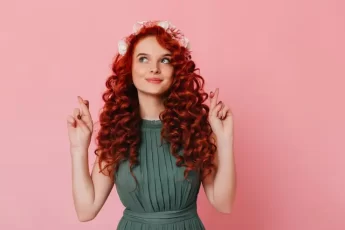
Curly hair brings energy and vitality with its well-defined spiral or ringlet-shaped curls that bounce beautifully under the light. This type of texture tends to be drier due to the difficulty of natural scalp oils reaching down curly strands. People with curly hair must focus on hydration, moisture retention, and defining products for stunning results.
4. Coily/Kinky Hair:
Lastly, we have coily/kinky hair – characterized by tight coils or zig-zag patterns that create a voluminous look full of personality! The coils can range from spring-like curls to dense zig-zags depending on individual genetics. Moisture is key for coily/kinky hair as it typically faces challenges related to dryness and frizz. Deep conditioning and protective styling techniques play a crucial role in maintaining healthy coily hair.
Tips for Embracing Your Natural Texture:
1. Identify Your Curl Pattern:
Knowing your curl pattern is the first step towards understanding how to care for and style your hair effectively. Study your strands closely or consult a professional stylist if you’re unsure about your specific texture.
2. Moisture, Moisture, Moisture:
Regardless of whether you have straight hair or coily locks, maintaining proper moisture levels is vital for overall hair health. Use hydrating shampoos, conditioners, and deep treatments that suit your unique texture to keep your hair nourished and supple.
3. Detangle with Care:
Curly, textured hair tangles easily, so it’s important to handle it gently when detangling. While using a wide-toothed comb or fingers, start from the ends and work your way up to avoid breakage and minimize frizz.
4. Embrace Protective Styling:
Protective hairstyles like braids, twists, or updos can help shield your delicate curls from environmental damage and reduce manipulation on a daily basis. Experiment with different styles – not only will they safeguard your strands but also provide an opportunity for creativity!
5. Stay Away from Heat Damage:
Excessive heat styling can be detrimental to curly or coily hair as it can cause dryness and weaken the strands over time. Embrace air drying methods whenever possible or use diffusers on low heat settings to minimize heat damage.
Final Thoughts:
Understanding curl patterns is essential in creating harmony between ourselves and our natural textures. Remember that there is no single approach that fits all – every individual’s mane presents its own set of requirements! By embracing our unique curl patterns and following these tips tailored to our specific needs, we can achieve healthy, beautiful locks that truly reflect our inner beauty! So go ahead – rock those curls with confidence!
How to Determine Your Curl Pattern and Embrace Your Natural Hair
Embracing your natural hair is a beautiful journey filled with self-discovery and love for oneself. One of the key aspects of this journey is understanding your curl pattern – the unique way in which your strands naturally form curls or waves. Determining your curl pattern not only helps you choose the right products and styling techniques but also allows you to appreciate and celebrate the beauty that nature has bestowed upon you.
So, how can you determine your curl pattern? The first step is to wash and condition your hair using sulfate-free products that won’t strip away its natural oils. Make sure to be gentle during this process, as rough handling can disrupt the natural formation of curls. Once you’ve rinsed out all the conditioner, avoid towel-drying vigorously, as this can lead to unnecessary frizz.
Next, it’s time to examine those beautiful locks! Stand in front of a mirror with enough lighting so that you can clearly see each section of your hair. Take a small section near the crown of your head – about an inch wide – and observe how the hair falls naturally. Does it form tight coils resembling little springs? Congratulations, you most likely have type 4 curls! These coils are often classified into three subcategories: 4A (looser coils), 4B (tighter zigzags), and 4C (densely packed coils).
If your hair forms defined S-shaped curls or waves, then you might fall into the type 3 category. Type 3 curls have a range of textures from loose and bouncy (type 3A) to springy ringlets (type 3C). Type 2 curls are characterized by loose waves rather than defined coils; they vary from type 2A (gentle waves) to type 2C (more pronounced waves).
Remember that curly hair patterns aren’t always uniform throughout the head; different sections may have variations in texture due to factors like heat styling, genetics, or damage. It’s essential to assess multiple sections of your hair to get a complete understanding of your curl pattern.
Once you’ve determined your curl pattern, it’s time to embrace and celebrate it! Understanding your hair type allows you to choose the appropriate products and techniques specifically tailored for your strands. For example, type 4 curls thrive with moisturizing leave-in conditioners and oils rich in nutrients. On the other hand, type 2 waves may benefit from lightweight gels or creams that enhance their natural bounce.
However, it’s important to note that embracing your natural hair goes beyond just understanding its curl pattern. It entails self-acceptance and breaking free from societal standards of beauty that prioritize straight hair. Embracing your natural hair is about recognizing that there is no singular definition of beauty; instead, uniqueness and diversity reign supreme.
Moreover, don’t be afraid to experiment with different hairstyles and techniques that allow you to showcase the versatility of your curls. From twist-outs to wash-and-gos or protective styles like braids or bantu knots – the possibilities are endless!
Lastly, remember that this journey is personal; what works for someone else might not work for you. Patience and trial-and-error will be your best friends during this exploration process. Embrace the lessons learned along the way and enjoy every step as you fall in love with your natural hair over and over again.
In conclusion, determining your curl pattern opens up a world of opportunities for self-discovery and celebration. Embrace your unique texture by using suitable products and experimenting with different hairstyles while learning to love yourself unconditionally. Your natural hair is an expression of who you are – beautiful, diverse, and extraordinary!
Mastering the Art of Styling Curl Patterns: Step-by-Step Techniques for Gorgeous Curls
Are you ready to unlock the secrets of styling and taming your luscious curls? Look no further because we have the ultimate guide for you: “Mastering the Art of Styling Curl Patterns: Step-by-Step Techniques for Gorgeous Curls.” Get ready to wave goodbye to frizz, hello to definition, and embrace a whole new level of hair confidence.
When it comes to curly hair, there is no one-size-fits-all approach. Each curl pattern is unique, displaying its own characteristics and quirks. Understanding your specific curl pattern is the first step towards achieving stunning results. From loose waves to tight coils, this blog will guide you through each type and provide tailored techniques just for you.
The key to beautiful curls lies in mastering the art of hydration. Curly hair tends to be naturally dry due to its structure, leading to frizz and unruliness. Our step-by-step techniques will focus on infusing your locks with moisture from washing all the way through styling.
To start off on the right foot (or curl!), we’ll dive into proper cleansing methods that won’t strip away those precious natural oils. We’ll explore sulfate-free shampoos, co-washing, and even delve into the world of DIY hair cleansers that promote healthy curls without harsh chemicals.
Once your curls are squeaky clean, it’s time for conditioning! We’ll unveil some miracle-working conditioners designed specifically for curly hair – ones that offer superior hydration without weighing down those precious strands. From deep conditioning treatments packed with nourishing ingredients like shea butter or argan oil to leave-in conditioners that provide all-day softness and manageability – we’ve got you covered.
Now that your curls are primed with moisture, let’s move on to styling techniques that will enhance their natural beauty. Whether you’re going for defined ringlets or laid-back beachy waves, we’ll walk you through creating styles catered to your specific curl pattern.
For those with looser, wavy curls, we’ll introduce you to the art of scrunching and diffusing. This technique will give your waves that extra bounce without sacrificing their effortless appeal. On the other hand, if you’re blessed with tighter coil patterns, we’ll cover twist-outs and bantu knots – methods that provide unrivaled definition and volume.
No blog about styling curls would be complete without addressing the dreaded frizz factor. We understand that taming frizz can feel like an uphill battle, but fear not! We’ll share expert tips on how to combat frizz by incorporating anti-humidity products into your routine. Bye-bye, flyaways!
Lastly, our guide wouldn’t be complete without a dose of fun and creativity. Get ready for some playful advice on how to experiment with different hairstyles: from glamorous updos for special occasions to embracing your wild side with bold accessories or vibrant dyes – the sky’s the limit when it comes to expressing your curly hair personality!
All in all, “Mastering the Art of Styling Curl Patterns: Step-by-Step Techniques for Gorgeous Curls” offers a comprehensive journey through the ins and outs of curly hair care. So whether you’re a seasoned curl connoisseur looking for new tricks or someone just beginning their curl transformation journey, this blog is here as your trusty companion on the road to fabulous curls.
Get ready to embrace your natural beauty like never before – let’s begin this exciting adventure together!
Curly Hair 101: Frequently Asked Questions about Curl Patterns Answered
Curly Hair 101: Frequently Asked Questions about Curl Patterns Answered
Welcome to our ultimate guide to understanding and embracing curly hair! We understand that navigating the world of curls can often feel overwhelming and confusing, which is why we’ve put together this FAQ to answer some of the most commonly asked questions about curl patterns. So, sit back, relax, and let’s dive right in!
1. What exactly is a curl pattern?
Your curl pattern refers to the shape and form of your individual hair strands. It encompasses a variety of types, ranging from loose waves (type 2) to tightly coiled spirals (type 4). Understanding your curl pattern can help you find products and techniques that suit your hair’s unique needs.
2. How do I determine my curl pattern?
Knowing your curl pattern is essential for tailoring your hair care routine effectively. To determine yours, start by examining a single strand of freshly washed and conditioned hair. If it appears straight or barely has any defined bends, you have type 1 (straight) hair. If it forms an ‘S’ shape or loose wave, this falls under type 2. Type 3 includes spiral curls with varying tightness levels, while type 4 consists of tightly coiled or kinky strands.
3. Can my curl pattern change over time?
Yes! It’s not uncommon for individuals to experience changes in their natural hair texture throughout their lives – thanks to hormones, health conditions, environmental factors, or even styling practices. For instance, someone with straight hair might notice their strands becoming wavier as they age or after hormonal fluctuations.
4. How can I enhance my natural curl pattern?
Embracing your natural texture starts with using products specifically designed for curly hair – ones that provide moisture and hold without causing excessive frizz or weighing down your curls. Applying these products on wet hair using techniques like scrunching or plopping can help achieve maximum curl definition. Explore the realm of diffusing, twisting, or braiding methods to create more bounce and volume!
5. Should I brush my curls?
Ah, the age-old question! Curly hair generally doesn’t respond well to brushing when dry, as it can disrupt the curl pattern and lead to frizz. However, brushing while wet (with a wide-toothed comb or denman brush) can help distribute conditioner evenly through your strands and detangle gently. Just remember to be extra cautious so as not to cause breakage.
6. Is it necessary to follow the “Curly Girl Method”?
The Curly Girl Method is based on avoiding certain ingredients (such as sulfates, silicones, and drying alcohols) that may strip natural oils from your hair or cause build-up. While many curly-haired individuals find great success with this method in terms of reducing frizz and enhancing their curls’ health, it’s ultimately a personal choice. Experimenting with various techniques and products is key – find what works best for you!
7. Can I straighten my curly hair temporarily?
Certainly! If you’re looking for a temporary change from your natural curls now and then, heat styling tools like straighteners can help you achieve straight locks. Remember to use heat protectants beforehand and regulate iron temperatures appropriately to prevent excessive damage.
8. How can I maintain healthy curls?
Maintaining healthy curls involves adopting a consistent hair care routine tailored to your specific curl type, using moisturizing shampoos and conditioners suited for curly hair types. Additionally:
– Minimize heat styling: Excessive use of hot tools can lead to dryness and damage.
– Protect hair while sleeping: Try sleeping on silk or satin pillowcases or wrapping your hair in a silk scarf/bonnet.
– Regular trims: Removing split ends allows healthy growth.
– Deep conditioning treatments: Nourish your locks with intense hydration on a regular basis.
Now that you’re armed with the knowledge about your curl pattern and how to take care of it, go forth and embrace your natural beauty! Remember, curls are unique, beautiful, and have their own personality – so show them off proudly. Happy curling!
Unlocking the Secrets of Stunning Curl Patterns: Best Practices and Tips from Experts
Unlocking the Secrets of Stunning Curl Patterns: Best Practices and Tips from Experts
Have you ever dreamed of achieving those picture-perfect, awe-inspiring curl patterns that seem to effortlessly bounce and sway? Well, we’re here to let you in on a little secret – fabulous curls are within your grasp! In this blog post, we’ll delve into the best practices and tips from experts that will unlock the door to stunning curl patterns.
First things first, let’s address the elephant in the room – hair type. Understanding your unique hair type is essential for achieving jaw-dropping curls. Whether you have wavy locks or tightly coiled spirals, embracing your natural texture is key. Remember, there’s no one-size-fits-all approach when it comes to curls!
Now on to the good stuff – best practices. The foundation for perfect curl patterns starts with proper care and maintenance. To ensure healthy and vibrant curls, it’s crucial to establish a consistent hair care routine tailored specifically for curly hair. This includes using sulfate-free shampoos and conditioners infused with nourishing ingredients like argan oil or shea butter.
One common misconception about curly hair is that brushing or combing will help tame frizz and define curls – but beware! Excessive brushing can disrupt curl formation and lead to unwanted fuzziness. Instead, opt for finger combing or using wide-toothed combs while your hair is still wet or damp to preserve those luscious coils.
Moisture is another holy grail ingredient for stunning curl patterns. Hydrated hair equals happy curls! Deep conditioning treatments once a week can work wonders in replenishing moisture lost through styling and environmental factors. You can also incorporate leave-in conditioners or curl creams into your daily routine to maintain hydration throughout the day.
Heat styling tools can be both friends and foes in the quest for perfect curls. While they may help achieve temporary results, excessive heat can cause damage and disrupt the natural curl pattern. So, limit the use of hot tools and opt for alternative styling methods like air-drying or diffusing whenever possible.
Now that we’ve covered the best practices, let’s tap into the wisdom of experts for some insider tips. Ever wondered how to create those coveted beachy waves without a trip to the ocean? Well, according to renowned hairstylists, using a sea salt spray on damp hair and scrunching it gently can give you that effortless, “just got back from vacation” look.
For those seeking more defined curls, twist-outs and bantu knots are hailed as foolproof techniques. After washing and conditioning your hair, simply divide it into sections, twist or knot each section tightly, and let them air dry overnight. The next morning, unravel those twists or knots, and voila – stunningly defined ringlets!
Another expert tip involves the age-old pineapple trick – not the fruit kind! This technique is especially useful for preserving curls overnight while maintaining volume. Simply gather your curls on top of your head in a loose ponytail resembling a pineapple (hence the name), secure it with a satin scrunchie or scarf to avoid friction, and wake up to gorgeous long-lasting curls in the morning!
In conclusion, achieving stunning curl patterns doesn’t have to be an elusive mystery anymore. By understanding your hair type and adopting these best practices and tips from experts, you’ll unlock a world of beautiful bouncing curls right at your fingertips. Embrace your unique texture, nourish those locks with proper care routines, and experiment with different styling techniques – because who doesn’t want their curls turning heads wherever they go? Happy curling!
Embracing Diversity in Curl Patterns: Celebrating the Beauty of Natural Hair Variations
Title: Embracing Diversity in Curl Patterns: Celebrating the Beauty of Natural Hair Variations
Introduction:
Natural hair is a beautiful and unique form of self-expression that holds an incredible range of possibilities. From tightly coiled coils to loose waves, the diverse curl patterns found in natural hair have mesmerized and fascinated individuals across cultures for centuries. In this blog post, we delve into the significance of embracing diversity in curl patterns and how celebrating these variations contributes to the overall appreciation of natural hair.
Understanding Curl Patterns:
Curl patterns refer to the shape and arrangement of individual hair strands. This fascinating aspect of human genetics categorizes natural hair into different types based on its level of curliness, ranging from Type 1 (straight) to Type 4 (kinky-coily). Understanding these curl patterns not only allows individuals to better care for their hair but also encourages appreciation and respect for the inherent diversity that exists within our community.
Celebrating Individuality:
One key aspect of embracing diversity in curl patterns lies in recognizing and celebrating individuality. Each person possesses a unique combination of genes, which leads to a wide range of curl patterns within any given group. By acknowledging and highlighting this individuality, we embrace personal expression and encourage self-acceptance among individuals with naturally textured hair.
Breaking Stereotypes:
Historically, societal beauty standards have often glorified straight or loosely waved locks while marginalizing those with tighter curls or kinks. However, our collective understanding has progressed, dispelling these harmful stereotypes surrounding natural textured hair through education, representation, and empowerment. By showcasing diverse curl patterns as equally valid expressions of beauty, we challenge societal norms and foster inclusivity.
Promoting Self-Love and Confidence:
As we celebrate diversity in curl patterns, it’s essential to recognize that each type carries its own distinctive charm. Whether it’s embracing voluminous coils or flaunting bouncy ringlets, accepting one’s unique curl pattern instills a sense of self-love and confidence. This empowerment stems from realizing that individual beauty extends far beyond societal expectations, enabling individuals to embrace their natural hair variations with pride.
Encouraging Versatility:
The beauty of embracing diversity in curl patterns lies not only in celebrating what nature has bestowed upon us but also in exploring the boundless possibilities for styling and personal expression. Each curl pattern provides a canvas for creativity, offering countless hairstyles, techniques, and products for individuals to experiment with. This versatility allows individuals to showcase their personality and adapt their hair to any occasion or mood.
Driving Cultural Appreciation:
Natural hair variations are deeply rooted within diverse cultures worldwide. Embracing these curl patterns enables us to celebrate cultural heritage and foster greater understanding among different communities. By respecting and valuing these natural hair variations, we demonstrate an appreciation for the rich history and traditions associated with textured hair globally.
Conclusion:
Embracing diversity in curl patterns signifies our collective progress towards inclusivity, self-love, and cultural appreciation. By celebrating the beauty of all natural hair variations, we acknowledge the uniqueness of every individual’s journey while inspiring confidence, embracing creativity, and breaking down harmful stereotypes. Let us continue to uplift one another by recognizing the exquisite differences that make our natural hair truly marvelous!