- Short answer natural hair curl patterns:
- Understanding the Basics: What Are Natural Hair Curl Patterns?
- How to Determine Your Natural Hair Curl Pattern: A Step-by-Step Guide
- Embracing Your Curls: Tips on How to Enhance Natural Hair Curl Patterns
- Common Questions About Natural Hair Curl Patterns Answered
- Exploring Different Types of Natural Hair Curl Patterns and Their Characteristics
- Styling Techniques and Products for Beautifully Defined Natural Hair Curl Patterns
Short answer natural hair curl patterns:
Natural hair curl patterns refer to the shape and texture of one’s hair strands. They range from straight (Type 1) to curly (Type 3) and coily (Type 4). Understanding one’s curl pattern helps in selecting appropriate hair care products and styling techniques.
Understanding the Basics: What Are Natural Hair Curl Patterns?
Understanding the Basics: What Are Natural Hair Curl Patterns?
When it comes to natural hair, one of the most fascinating and beautiful aspects is the variety of curl patterns that can be found. From tight coils to loose waves, each curl pattern is unique and offers its own set of challenges and rewards. In this blog post, we will delve into the world of natural hair curl patterns, exploring what they are and how they impact hair care routines.
First and foremost, it’s important to understand that everyone’s hair has a natural curl pattern. Even if your hair appears straight at first glance, there are still underlying curls waiting to make themselves known. These curl patterns are determined by the shape of the hair follicle and the angle at which the hair grows out of it.
The most common natural hair curl patterns are categorized into four main types: Type 2 (wavy), Type 3 (curly), Type 4 (coily/kinky), and Type 1 (straight). Within these categories, there are further subcategories to describe variations in texture and degree of curliness. This classification system helps individuals better understand their own hair type in order to tailor their care routine accordingly.
Type 2 comprises a range of waves that vary from loose S-shaped curls to more defined S-shaped or deep waves. This category tends to have a medium texture with some degree of bounce and volume. The key challenge for those with Type 2 curls is maintaining moisture without weighing down the natural wave pattern.
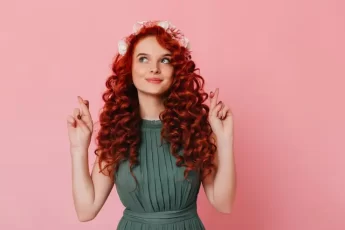
Type 3 encompasses various curly textures characterized by well-defined ringlets or corkscrew-like curls. These curls can range from loose curls resembling stretched-out springs (3A) to tighter corkscrews (3C). People with Type 3 curls often struggle with frizz control but benefit from using styling products that enhance definition while preventing dryness.
Type 4 represents the most tightly coiled or kinky textures out there. This hair type is commonly referred to as afro-textured or tightly coiled hair. Type 4 hair can range from small S-shaped coils (4A) to tight Z-shaped coils (4C). Maintaining moisture in Type 4 hair is crucial due to its natural tendency towards dryness, and protective styling techniques are often employed to minimize damage.
Lastly, Type 1 represents straight hair with no discernible curl pattern. While it may not possess curls on the surface, Type 1 hair still has a natural wave or bend that requires appropriate care and styling products.
Understanding your natural hair curl pattern is vital as it enables you to find the most effective ways of caring for and styling your locks. From the products you use to the techniques you employ, tailoring them specifically for your curl pattern will enhance your overall curl definition and help maintain its health.
So whether you’re embracing your loose waves, celebrating your tight coils, or cherishing every inch of those corkscrews, knowing your natural hair curl pattern allows you to embrace and appreciate the unique beauty that comes with it. Embrace the world of curls and let your mane unleash its vibrant personality!
How to Determine Your Natural Hair Curl Pattern: A Step-by-Step Guide
How to Determine Your Natural Hair Curl Pattern: A Step-by-Step Guide
If you’ve recently embraced your natural hair or are simply curious about the texture and curl pattern of your locks, understanding your natural hair curl pattern can be a game-changer. Not only does it help you choose products and styling techniques that work best for your hair type, but it also allows you to appreciate and celebrate the unique beauty of your natural curls. So, where do you begin? Follow this step-by-step guide to discover your hair‘s curl pattern and unleash its full potential.
Step 1: Start with Clean, Detangled Hair
Before diving into the world of curl patterns, make sure your hair is clean and free from any product buildup or tangles. It’s easier to identify your natural curl pattern when dealing with freshly washed tresses. Use a gentle sulfate-free shampoo and a moisturizing conditioner to cleanse and condition your hair thoroughly.
Step 2: Observe Your Wet Hair
Once your hair is cleansed, avoid towel-drying it vigorously as this may cause frizz and disrupt the pattern. Instead, gently squeeze out excess water using an old T-shirt or microfiber towel. Ideally, at this stage, refrain from applying any styling products like gels or creams that could alter the appearance of the natural curl pattern.
Now comes the exciting part – observing! Stand in front of a well-lit mirror or find a comfortable seat where you can easily examine your wet strands up close. Take note of how they naturally fall – if some sections clump together while others hang looser individually.
Step 3: Identify Common Curl Patterns
Curl patterns are classified on a spectrum ranging from straight (Type 1) to coily/kinky (Type 4). Knowing these categories will help determine where your own curls fit in:
– Type 1 – Straight Hair: Lacks defined curls; typically fine with no discernible wave or curl pattern.
– Type 2 – Wavy Hair: Falls into various subcategories from a loose ‘S’ shape (2A) to a defined ‘S’ or ‘C’ shape (2C).
– Type 3 – Curly Hair: Ranges from loose curls with a well-defined ‘S’ shape (3A) to bouncy, coiled curls with tighter patterns (3C).
– Type 4 – Coily/Kinky Hair: Features tightly coiled and zigzag-shaped strands. Curls range from densely-packed coils with an ‘S’ shape (4A) to tightly-coiled Z-patterned strands (4C).
By understanding these categories, you can better identify the range of possibilities for your natural hair.
Step 4: Experiment with Different Techniques
Once you’ve pinpointed which general curl category your hair falls under, it’s time to experiment with different styling techniques. This will help you determine what works best for enhancing your natural curl pattern.
For wavy hair types, try scrunching in a curl-enhancing mousse or gel while it’s still wet and allow it to air dry for soft, defined waves. Those with curly or coily hair may benefit from twist-outs, braid-outs, or applying a leave-in conditioner followed by gentle finger coiling. These techniques foster more pronounced curl definition while keeping your locks moisturized and healthy-looking.
Step 5: Embrace Your Unique Curl Pattern
Remember, discovering your natural hair curl pattern is not about fitting into specific molds but rather celebrating the individual uniqueness of your locks. Everyone’s curls are as unique as their fingerprints! Recognize that slight variations within each type are completely normal – no head of hair is entirely uniform.
Whether you rock cascading waves, tight coils, or something in between, embrace and love every bit of your natural texture. Treat your curls like the treasure they are, and enjoy experimenting with different styles, products, and techniques to enhance their beauty even further.
In conclusion, determining your natural hair curl pattern is an exciting journey that allows you to understand and appreciate the complexities of your mane. By following these steps, embracing experimentation, and celebrating your unique curls, you’ll develop a deep connection with your hair and feel empowered to showcase its true magnificence. Prepare for compliments and endless compliments as you confidently embrace your one-of-a-kind curls!
Embracing Your Curls: Tips on How to Enhance Natural Hair Curl Patterns
Title: Unleash Your Inner Curl Boss: Unlocking the Secrets to Enhancing Your Natural Hair Curl Patterns
Introduction:
Are you tired of wrestling with your curls, desperately seeking that perfect curl pattern? Well, it’s time to toss out the flat iron and embrace your gorgeous natural hair! We’re here to show you that enhancing your curly locks is all about embracing your uniqueness and finding the perfect routine. So get ready because we’re about to spill some tea on the tips and tricks to unlock those heavenly curl patterns.
1. Know Your Curl Type:
Understanding your specific curl type is key when it comes to enhancing those luscious locks. From loose waves to tight coils, each hair type requires a unique approach. Take a moment of self-discovery by identifying whether you have 2A, 3B, or perhaps even mesmerizing 4C curls – this knowledge will be crucial in tailoring your hair care routine.
2. Hydration is Non-Negotiable:
The lifeblood of any curly mane lies in hydration! Make sure nourishing and moisturizing products are an integral part of your regimen. Deep conditioning treatments, leave-in conditioners, and hydrating masks are like fairy godmothers for your curls – they work wonders to enhance their natural beauty and improve manageability.
3. Gentle Cleansing Rituals:
Say goodbye to harsh shampoos loaded with sulfates that strip away precious moisture from your strands! Opt for sulfate-free cleansers instead – these gems gently cleanse while preserving essential oils necessary for curly hair health. Incorporate co-washing (conditioner-only washing) into your routine to maintain hydration between washes.
4. Scrunch Like Nobody’s Watching:
The art of scrunching can do wonders in amplifying those beautiful ringlets or spirals! After applying a styling product such as gel or mousse, scrunch sections of damp hair upwards towards the roots using your palms. This technique encourages natural curl formation and helps maintain definition throughout the day.
5. Pineapple Your Way to Sweet Dreams:
To preserve your precious curls while you sleep, consider the pineapple technique. Before hitting the hay, gather your hair into a high, loose ponytail on top of your head (resembling a pineapple) using a scrunchie or silk hair tie. By doing so, you eliminate friction against your pillowcase, preventing unnecessary frizz and protecting those fabulous curls overnight.
6. Diffuse with Love:
Ditching towel drying for good and embracing diffusing can be a game-changer in enhancing your curl pattern’s longevity. Opt for a diffuser attachment on low heat to gently dry your hair – it reduces frizz by evenly distributing airflow while preserving natural wave patterns. Be sure to cup sections of hair within the diffuser for that extra boost of volume and definition!
7. Embrace Protective Hairstyles:
Don’t forget about protective hairstyles – they are truly versatile in both preserving hair health and showing off defined curls! Consider styles like braids, bantu knots, or twist-outs that protect fragile ends from breakage while allowing curls to set beautifully.
Conclusion:
There you have it – the ultimate guide to becoming your very own curl connoisseur! Remember, enhancing natural hair curl patterns is not about striving for perfection but rather embracing the uniqueness that makes you beautifully you. So seize the opportunity to fall head over heels for those charming curls; give them some love, pampering, and maybe even bragging rights among friends who will undeniably envy their beauty!
Common Questions About Natural Hair Curl Patterns Answered
Are you tired of wrestling with your natural hair curls and trying to make sense of their patterns? Don’t worry; you’re not alone. Many people with curly hair often have questions about their curl patterns and how to best care for them.
In this blog post, we will explore some common questions about natural hair curl patterns and provide practical answers that will help you understand and embrace your unique curls. So grab a cup of tea or coffee, sit back, and let’s dive in!
Question 1: What Determines My Curl Pattern?
Understanding what determines your natural hair curl pattern is essential to better understanding how to take care of it. Your genes play a significant role in determining the type of curl pattern you have. Generally, the shape of the hair follicle is responsible for your specific curl pattern. Follicles that are more oval-shaped tend to produce curly or coiled hair, while round follicles create straighter strands.
Question 2: What Are the Different Curl Types?
Natural hair can be classified into various curl types using the popular Hair Typing System developed by Andre Walker. According to this system, there are four main categories (Type 1-4), each with subcategories based on strand texture and level of curliness.
Type 1 includes straight hair (no distinct curl pattern), while Type 2 encompasses wavy textures ranging from loose waves (2A) to more defined S-shaped waves (2C). Type 3 encompasses spiral curls (3A) that vary from loose ringlets to tighter cork-screw coils (3C). Lastly, Type 4 comprises tightly coiled or kinky Afro-textured hair, which ranges from delicate coils (4A) to densely packed zig-zag patterns called Z-patterns (4C).
Remember that the Hair Typing System serves as a general guide and not an absolute determinant. Your own unique blend of textures may fall between two categories or exhibit variations within a single category. Embrace and celebrate the diversity of your curls.
Question 3: How Can I Enhance My Natural Curl Pattern?
To enhance your natural curl pattern, you need to prioritize moisture and care. Hydration is key because curly hair is naturally prone to dryness due to the shape of the strands, which makes it difficult for natural oils to distribute evenly. Using hydrating shampoos and conditioners specifically formulated for curly hair will help lock in moisture.
After washing and conditioning, applying a curl-defining product or mousse can help enhance the shape and definition of your curls. Scrunching your hair gently with a microfiber towel or cotton t-shirt instead of rubbing it vigorously will also prevent frizz and maintain curl integrity.
For individuals with looser waves or curls (Type 2-3), using styling techniques such as diffusing can add volume and definition. However, be cautious not to excessively manipulate your hair, as excessive heat or hairstyling tools can lead to damage.
Question 4: Can I Change My Natural Curl Pattern?
While you cannot change the innate structure of your curl pattern permanently, there are methods that can alter its appearance temporarily. Heat styling tools, such as straighteners or curling irons, can be used sparingly for specific occasions if you wish to try an entirely different look.
It’s important to note that excessive heat usage or chemical treatments designed for permanent alterations (such as relaxers) may cause damage or weaken the integrity of your natural curls over time. Embracing and working with your unique texture often results in healthier outcomes in the long run.
Question 5: How Do I Combat Frizz?
One common challenge faced by those blessed with beautiful natural curls is managing frizz. Frizz occurs when the cuticle layer on each hair strand becomes raised, causing moisture absorption from the surrounding environment.
To combat frizz effectively, adopting a regular deep-conditioning routine is crucial. Deep-conditioning treatments once or twice a week will restore moisture and strengthen your hair, ultimately reducing frizz. Additionally, using products containing natural oils like argan oil or coconut oil can help tame flyaways and provide much-needed nourishment.
Consider wrapping your hair in a satin bonnet or sleeping on a satin pillowcase to minimize friction that can lead to frizz overnight. Avoid drying your hair with traditional bath towels as their rough texture may cause friction and disrupt the curl pattern.
In Conclusion
Understanding your natural hair curl pattern is the first step towards embracing and caring for your lovely locks. Remember that there is no one-size-fits-all approach when it comes to curly hair care, so don’t be afraid to experiment with different routines and products until you find what works best for you.
Embrace the uniqueness of your curls, have fun exploring various styling options, and above all else, rock those fabulous natural curls with confidence!
Exploring Different Types of Natural Hair Curl Patterns and Their Characteristics
Title: Unveiling the Enigmatic Variety of Natural Hair Curl Patterns: A Deeper Look into Their Intricacies and Unique Traits
Introduction:
Natural hair is a beautiful expression of individuality, and no two curls are alike. From loose waves to tight coils, the diverse array of natural hair curl patterns showcases the richness and versatility of our unique tresses. In this intriguing journey, we will embark on an exploration of the different types of natural hair curl patterns and delve into their fascinating characteristics that make each twist, turn, and loop incomparable.
1. The Luminous Luster of Type 2 Curls:
Type 2 curls gracefully dance in the realm between straight hair and textured waves. Characterized by their subtle “S” shape that gently cascades down your shoulders, these curls exude elegance effortlessly. With three subcategories – Type 2A (soft waves), Type 2B (defined waves), and Type 2C (frizz-prone waves) – each pattern showcases its own set of stunning traits that can be easily enhanced through varied styling techniques.
2. The Spirited Strength of Type 3 Curls:
Type 3 curls emanate vivacity with their well-defined corkscrew spirals or coils that bounce with exuberance. Divided into three categories for better understanding – Type 3A (loose curls), Type 3B (tighter ringlets), and Type 3C (voluminous corkscrews) – these playful strands require thoughtful hydration, careful maintenance, and dedicated styling to unleash their true potential.
3. The Magnetic Magic of Type 4 Curls:
Type 4 curls possess unmatched magnetism as they embrace tight coils or zig-zags without apology. Bottling resilience, these fierce strands inspire self-confidence like no other. Classifying into Type 4A (spongy coils), Type 4B (z-shaped zig-zags), and Type 4C (densely packed coils), each type holds its own superb texture, demanding elevated moisture, gentle handling, and creative styling to unleash their organic beauty.
4. The Harmonious Symphony of Hybrid Curl Patterns:
In the mesmerizing world of natural hair, hybrid curl patterns are a captivating sight to behold. These enchanting combinations harmoniously blend multiple curl types, offering a unique tapestry within untamed tresses. Whether it’s the picturesque mix of 3A and 3B spirals or a fusion of Type 2C waves with 4A coils, these extraordinary amalgamations exemplify the endless possibilities that nature weaves into our locks.
Conclusion:
Natural hair curl patterns are an awe-inspiring testament to the kaleidoscope of diversity within our global community. From tender waves caressing our visage to resilient coils conquering any hairstyle challenge, every twist represents a profound journey of self-discovery and celebration of individuality. By better understanding the characteristics inherent in different curl patterns, we can confidently embrace our unique textures and embark on a transformative relationship with our crowning glory – becoming authors in showcasing nature’s unrivaled artistry through our strands. Together, let us revel in the vast richness of curls that adorn us all.
Styling Techniques and Products for Beautifully Defined Natural Hair Curl Patterns
Do you have naturally curly hair and struggle with achieving beautifully defined curl patterns? Well, fret no more! In this blog post, we will delve into the world of styling techniques and products that will revolutionize your natural hair game. Get ready to rock those curls with confidence!
Styling Techniques:
1. The Plopping Method: Say goodbye to frizz and hello to perfectly formed curls! This technique involves gently piling your wet hair onto a microfiber towel or cotton t-shirt, allowing it to absorb excess moisture without disrupting the curl pattern. After leaving it wrapped for about 20-30 minutes, unveil your stunningly defined curls.
2. Finger Coiling: If you desire more control over individual curls, finger coiling is the way to go. Simply take small sections of damp hair and wrap them around your fingers from root to tip. Allow the coils to air dry or use a diffuser for faster results. The end result? Bouncy ringlets that defy gravity!
3. Twist-Outs: Time-tested and versatile, twist-outs are perfect for achieving a variety of curl patterns. Start by sectioning damp hair and twisting each section from root to end. Once dry, unravel the twists for luscious waves or defined kinks. Experiment with different sizes and thicknesses of twists for diverse styling options.
4. Scrunching: This classic technique never goes out of style! After applying your favorite curl-enhancing product (more on that in a bit), scrunch your hair upwards towards the scalp using your hands or a microfiber towel. This encourages natural curl formation while adding volume and texture.
Products:
1. Curl Enhancing Creams: Your secret weapon for beautifully defined natural hair curl patterns lies in a good curl enhancing cream. Look for products that contain moisturizing ingredients like shea butter or coconut oil to nourish your locks while providing the necessary hold without crunchiness.
2. Leave-In Conditioners: Hydration is key when it comes to achieving well-defined curls. Choose a leave-in conditioner that is lightweight yet deeply moisturizing, as this will help combat frizz and promote curl formation. Apply generously to damp hair before styling for maximum results.
3. Gel or Mousse: If you crave long-lasting hold and definition, gel or mousse is the way to go. These products provide structure while minimizing frizz and maintaining your natural curl pattern throughout the day. Opt for alcohol-free options to prevent dryness, and use a small amount to avoid heaviness or crunchiness.
4. Oil-based Serums: Polish off your perfectly defined curls with an oil-based serum. This final touch adds shine, seals in moisture, and keeps your hair looking healthy and vibrant all day long. Lightly distribute a few drops throughout your curls for an extra boost of luster and smoothness.
So there you have it – a comprehensive guide on styling techniques and products for beautifully defined natural hair curl patterns! With these tips in mind, you’ll be able to embrace your natural texture with confidence and rock those stunning curls like never before. Say goodbye to bad hair days and hello to fabulous natural coils!